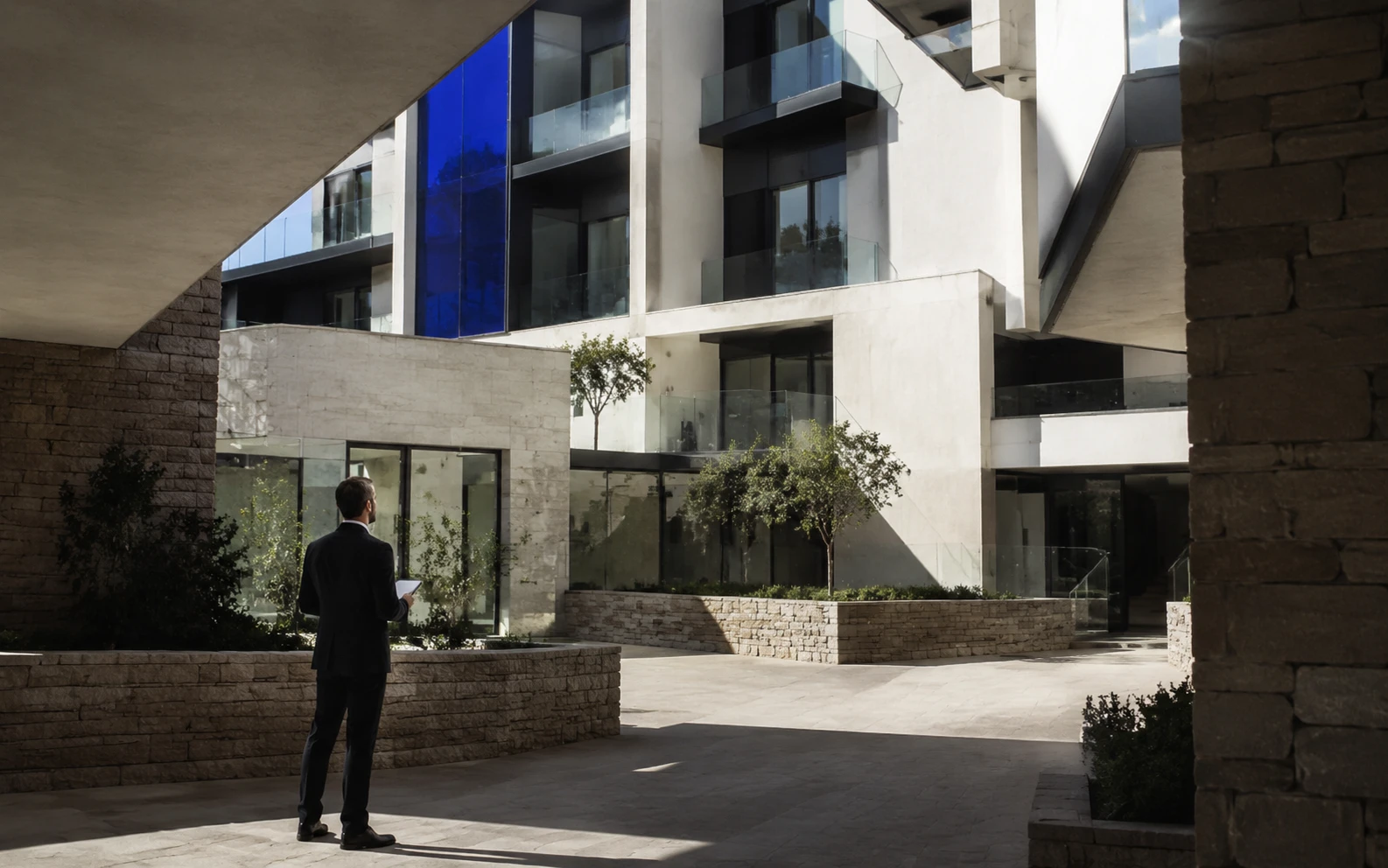
A property may have significant asset value while producing results below its potential. Misaligned rents, vacancy, reactive maintenance, fragmented costs and unclear responsibilities reduce returns and increase operating risk. Property management turns day-to-day activities into a system aligned with the owner’s objectives and the needs of the people using the space.
Define the objective for the property
Management choices depend on the asset’s use and strategy: stable income, value enhancement, short-term rental, hospitality, repositioning or preparation for sale. Before acting, it is therefore necessary to clarify the time horizon, expected return, risk level and willingness to invest.
This direction provides a common test for every decision. Refurbishment, a new service or a different commercial policy makes sense only if it contributes to the objective and produces a benefit proportionate to its cost.
Build a reliable financial baseline
Revenue and costs should be reviewed at an appropriate frequency and attributed to each property or unit. Alongside rent or booking revenue, the analysis should cover vacancy, arrears, commissions, utilities, maintenance, cleaning, insurance, taxes and supplier fees.
- Actual and potential revenue
- Occupancy or utilisation rate
- Recurring operating costs
- Planned capital works
- Collection time and outstanding positions
- Operating margin by property
A concise management report makes deviations and priorities visible. Without a shared baseline, pricing and investment decisions can easily be driven by partial perceptions.
Organise activities and suppliers
Management quality depends on the coordination of requests, deadlines and responsibilities. Contracts, documents, maintenance, inspections and communications should follow defined workflows. An intervention log and recurring activity calendar reduce emergencies and allow the business to assess supplier time, cost and quality.
Digitisation does not mean using many different systems. A single structure for documents, tasks and intervention status may be enough. The solution should reflect the number of properties and people involved.
Improve the tenant and guest experience
Clear information, response times and the quality of the space affect retention, reviews and willingness to pay an appropriate price. Experience should be designed around the key stages: enquiry, arrival, use, assistance, departure and issue resolution.
Organised feedback and service requests reveal recurring weaknesses. A repeated issue is no longer an isolated event; it is a process to correct or an investment to assess.
From management to real estate development
When the objective is to transform or enhance a property, the perspective becomes broader. Demand analysis, technical and administrative constraints, use scenarios, costs, timing, revenue and commercial strategy need to form one plan. Design choices and financial sustainability cannot proceed on separate tracks.
Before starting, it is useful to compare scenarios and identify the decisive variables: total cost, approval timeline, market absorption, price, expected occupancy and funding requirements. The plan should then become a sequence of decisions, responsibilities and control points.
Effective property management follows three steps: understand the objectives and performance of the asset; design priority processes, services and interventions; deliver and monitor activities through essential indicators. Connecting economic direction with operational management makes the portfolio easier to understand and govern.
IN CORE supports owners and operators with financial analysis, management organisation and real estate development, coordinating the specialist expertise required. If you want to assess the performance or potential of a property, contact us.